Budget 2026 in plain English: what changed for your money, and what did not
A plain-English summary of the 28 October 2026 Budget for ordinary households: what stayed the same, what changed for savers, and what help is on offer with energy bills.
- Income tax, National Insurance and VAT rates stay the same, and thresholds stay frozen.
- Tax on savings interest and rental income rises from April 2027.
- Help with energy bills: a £100 payment, 0% VAT on electricity to 1 July 2027 and gas standing charges changes.
The Autumn Budget was delivered on 28 October 2026. Here is a short, plain-English look at what it means for everyday money, with links to free tools if you want to see the effect on your own numbers.
What did not change
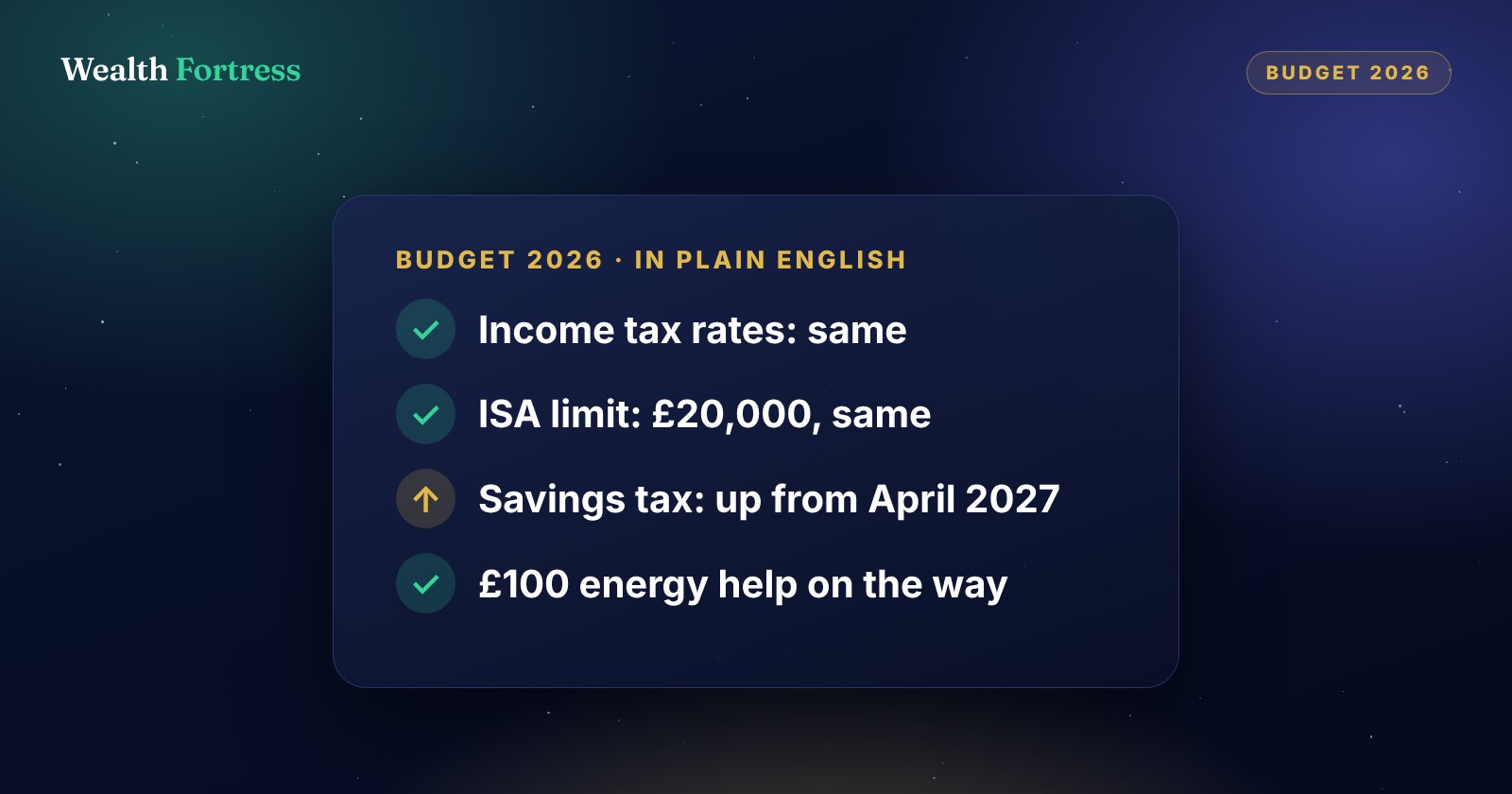
Income tax, National Insurance and VAT rates stay the same. Income tax and National Insurance thresholds stay frozen, so the personal allowance remains £12,570. The ISA limit stays at £20,000 a year, and interest inside an ISA stays tax-free.
What did change: savings and rental income
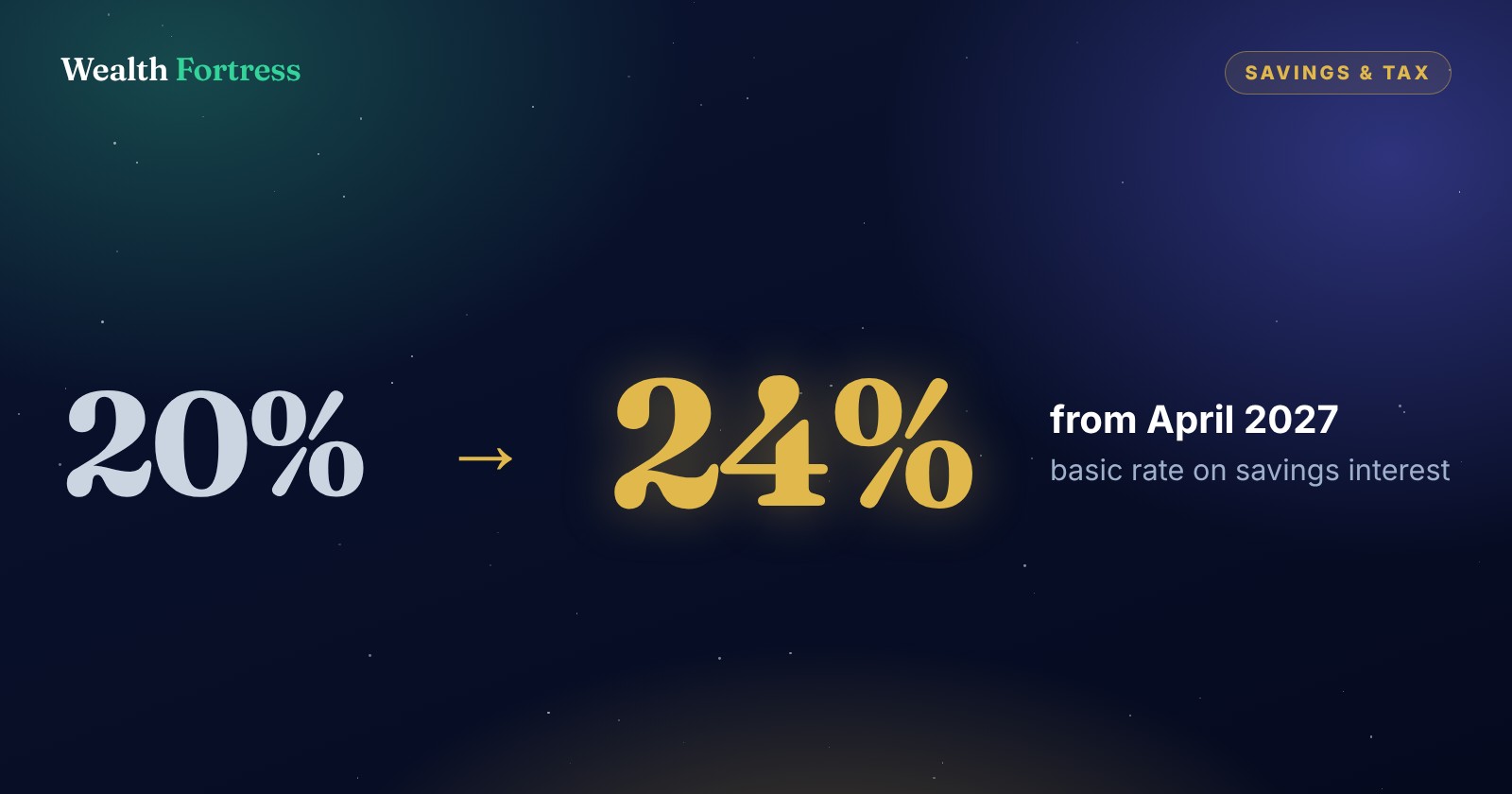
Tax on savings interest and rental income goes up from April 2027. The savings rates become 24% for basic rate taxpayers, 44% for higher rate taxpayers and 49% for additional rate taxpayers, up from 20%, 40% and 45%. The Personal Savings Allowance of £1,000 or £500 is unchanged, so many people with modest savings will not notice. Our post on the April 2027 savings tax rise has worked examples, and our free Savings Tax Calculator shows the effect on your own savings.
Help with energy bills
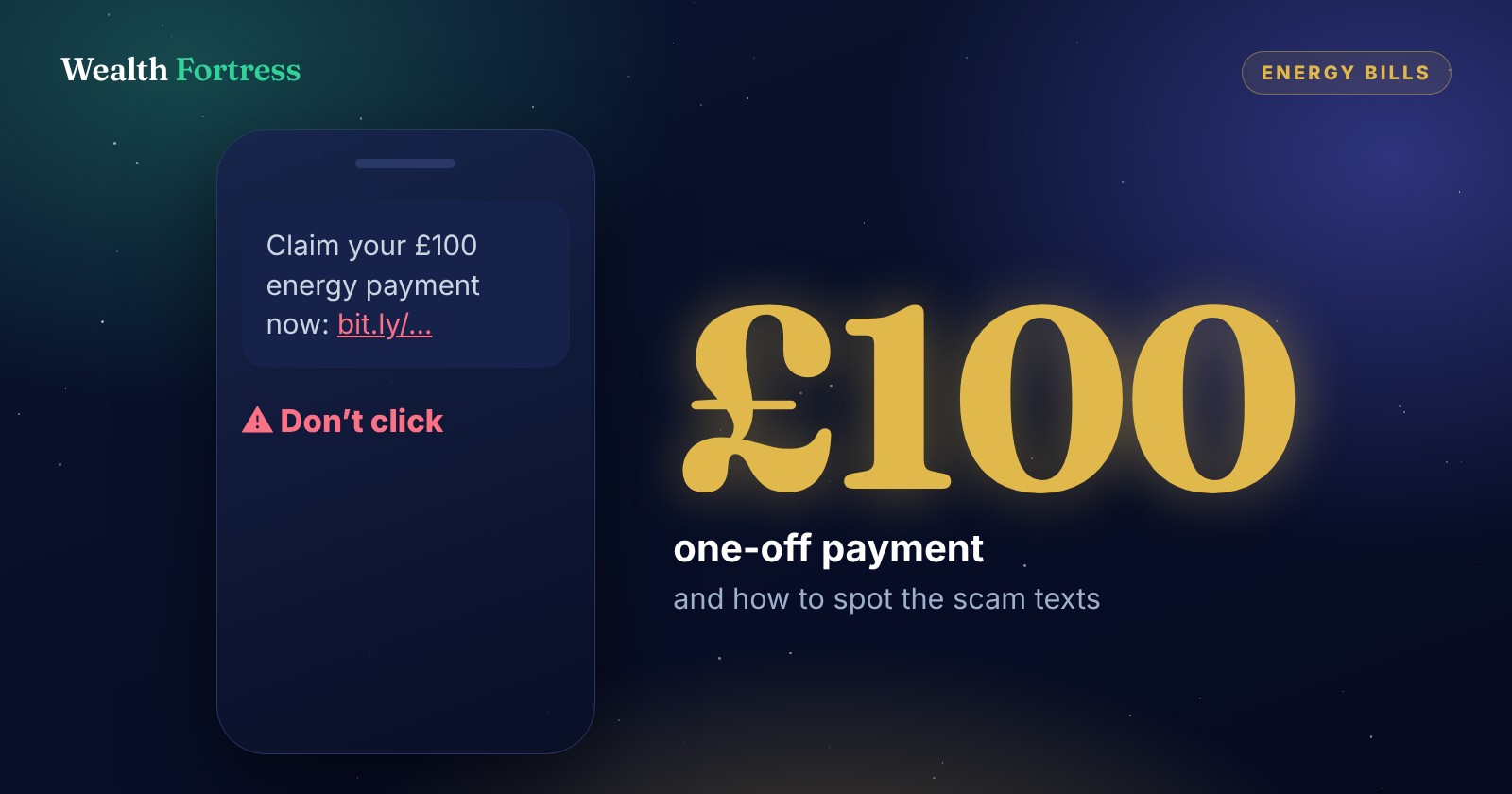
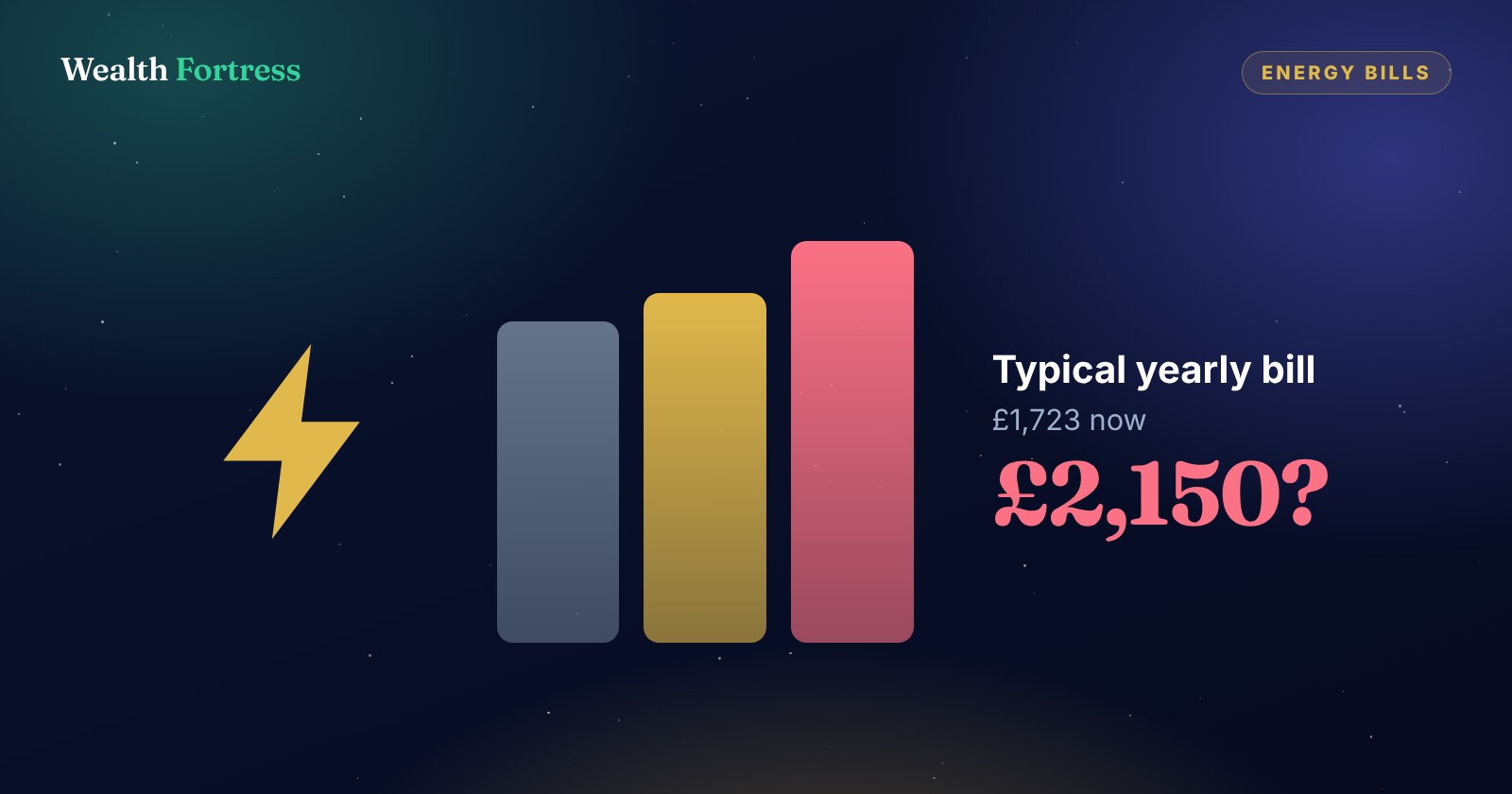
Three measures were announced for energy costs. First, a one-off £100 payment for households in council tax bands A to D in England, from January 2027. Second, 0% VAT on household electricity is extended to 1 July 2027. Third, gas standing charges are due to be removed by the end of 2027 or soon after, although heavy gas users could pay more. Read more in our posts on the £100 payment and the January 2027 price cap.
Other measures reported
Reports after the Budget also mention the National Living Wage rising by around 3.9% from April 2027, bus fares capped at £2 in England outside London from January 2027, and the withdrawal charge on Lifetime ISAs falling from 25% to 20%. Check GOV.UK for exact figures and start dates before you rely on any of these.
What to do with it
None of this means you need to change everything. A practical approach is to check three things. How much of your monthly money goes on essentials, and how much a bill rise would change that. Whether your savings are likely to be affected by the higher tax rates. And whether you have a clear plan for the money that is left. Our free Golden Percentages tool can help with that last one, and our guide to budgeting when bills rise covers the first.
Build your starting split
Answer a few honest questions and get a personal split of your monthly money in about two minutes. No signup.
Try Golden Percentages