Savings tax is rising in April 2027: what changes and what it could cost you
The Budget raises tax on savings interest to 24%, 44% and 49% from April 2027. Here is what changes, what stays the same, and a worked example of what it could mean for your savings.
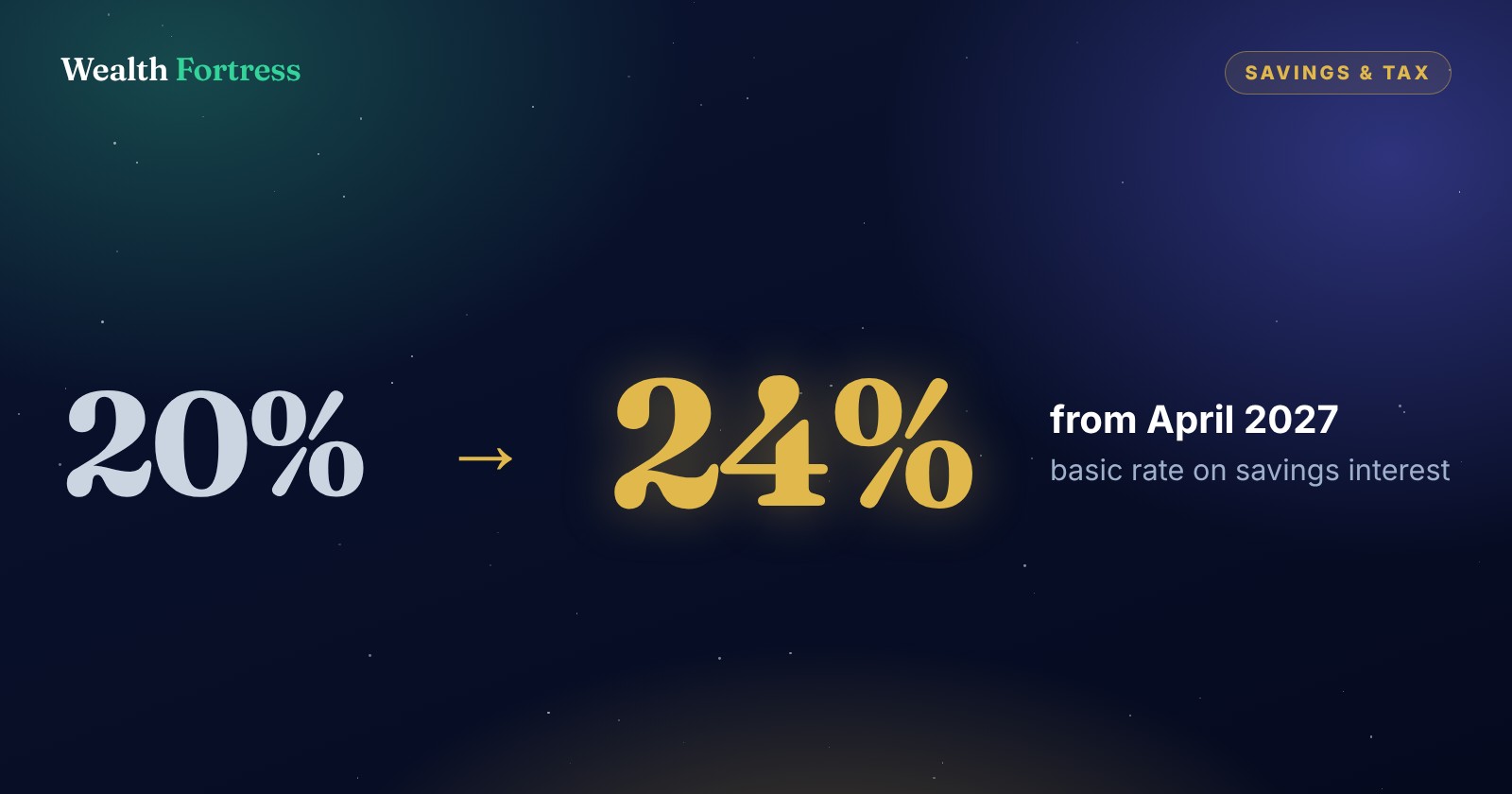
- From April 2027 the savings tax rates are due to rise to 24%, 44% and 49% (from 20%, 40% and 45%).
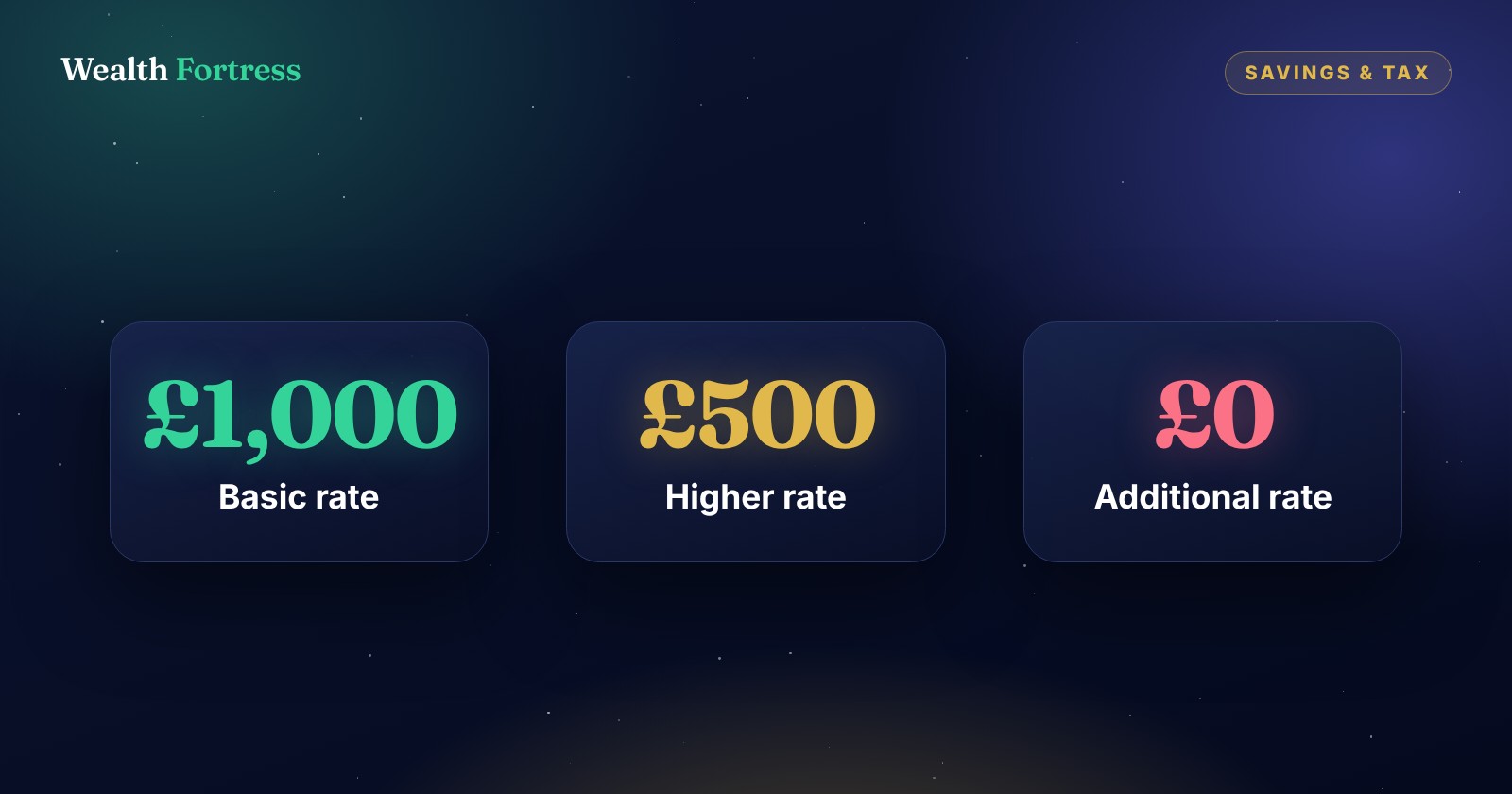
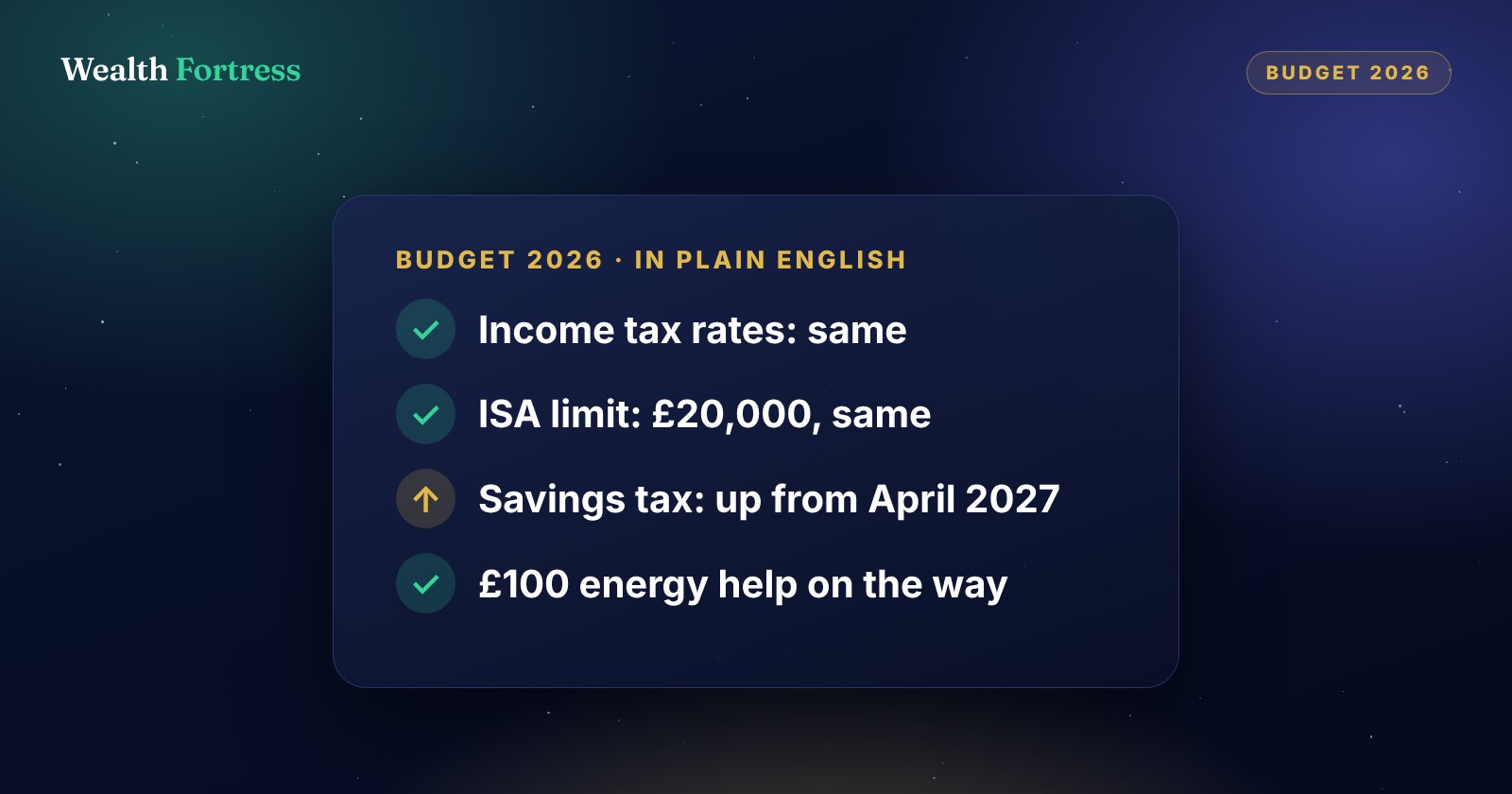
- The Personal Savings Allowance (£1,000 or £500) and the £20,000 ISA limit are unchanged.
- Many people with modest savings will see no change; the extra tax grows with your savings and tax band.
If you hold savings in an ordinary bank or building society account, the Budget on 28 October 2026 has news for you: the tax rates on savings interest go up from April 2027. Here is what is changing, what is not, and how to work out what it could mean for you.
What is changing
From 6 April 2027, the tax rates on savings interest rise to 24% for basic rate taxpayers, 44% for higher rate taxpayers and 49% for additional rate taxpayers. Today they are 20%, 40% and 45%. The rise came in two steps: two percentage points announced in the 2025 Budget, and a further two in the 2026 Budget. The same higher rates apply to rental and property income in England, Wales and Northern Ireland, and the savings rates apply across the UK.
These changes have been announced but are not yet law. They are due to be legislated in the Finance Bill 2026-27, so details could still shift.
What is not changing
The allowances that stop most people paying tax on savings interest stay where they are. The Personal Savings Allowance is £1,000 for basic rate taxpayers and £500 for higher rate taxpayers, and additional rate taxpayers get none. The 0% starting rate for savings (up to £5,000, for people on lower incomes) is also unchanged, and so is the ISA limit of £20,000 a year. Interest earned inside an ISA stays tax-free. Income tax thresholds stay frozen, with the personal allowance at £12,570.
Who is likely to notice
Because of those allowances, many people will see no change at all. As a rough guide, a basic rate taxpayer earning 4% starts paying tax on interest once they hold more than about £25,000 outside an ISA (£1,000 divided by 4%). For a higher rate taxpayer the allowance is £500, so the figure is about £12,500. Additional rate taxpayers have no allowance, so all of their interest is taxed. These figures move with interest rates: at 5%, the same allowances cover £20,000 and £10,000.
A worked example
Take a basic rate taxpayer with £40,000 in savings outside an ISA, earning 4%. That is £1,600 of interest a year. The first £1,000 is covered by the Personal Savings Allowance, which leaves £600 taxable. At 20% that is £120 of tax today. At 24% from April 2027 it is £144, which is £24 more a year.
A higher rate taxpayer with the same savings has a £500 allowance, so £1,100 is taxable. That is £440 of tax today and £484 from April 2027, which is £44 more a year.
The extra amounts are modest at these levels. They grow with the size of your savings, the interest rate you earn and the tax band you are in.
Work it out for your own numbers
Our free Savings Tax Calculator does the sums for your own income and savings, including the starting rate for savings and any unused personal allowance, and shows the difference between this tax year and 2027/28. There is no signup.
Where do ISAs fit in?
Interest inside an ISA is tax-free, and you can put up to £20,000 a year across your ISAs. For some people, using an ISA reduces how much interest is taxed. ISAs have their own rules, rates and access terms, and they are not right for everyone, so it is worth comparing options before you move anything. The calculator has an optional what-if that shows the tax difference for a sample amount.
Plan the rest of your money too
Tax is only one part of the picture. If you want a simple split of your monthly money between spending, saving and goals, try our free Golden Percentages tool.
Work out your own savings tax
Enter your income and savings and compare this tax year with 2027/28. No signup.
Open the Savings Tax Calculator