How to budget when bills rise: a simple 4-step method for UK households
Energy bills, rents and prices can rise faster than pay. Here is a simple four-step way to see what a rise really costs you and decide where the money will come from.

- Find out how big the squeeze really is before you decide what to cut.
- Four steps: add up essentials, see what is left, test the rise, decide where the money comes from.
- It takes about ten minutes and works for irregular pay too (use your lowest typical month).
When bills rise, the usual advice is to cut back. That is fair, but it skips the step that matters most: finding out exactly how big the squeeze is. Here is a simple method you can do in about ten minutes.
1Add up your essentials
List the bills you cannot skip: rent or mortgage, council tax, energy, water, food, transport, insurance and minimum debt payments. Use a recent month, not a guess. This number is what has to be paid before anything else.
2See what is left
Take your monthly take-home pay and subtract your essentials. The result is what is left for saving, goals and everything else. If it is smaller than you expected, that is useful information, not a failure.
3Test the rise
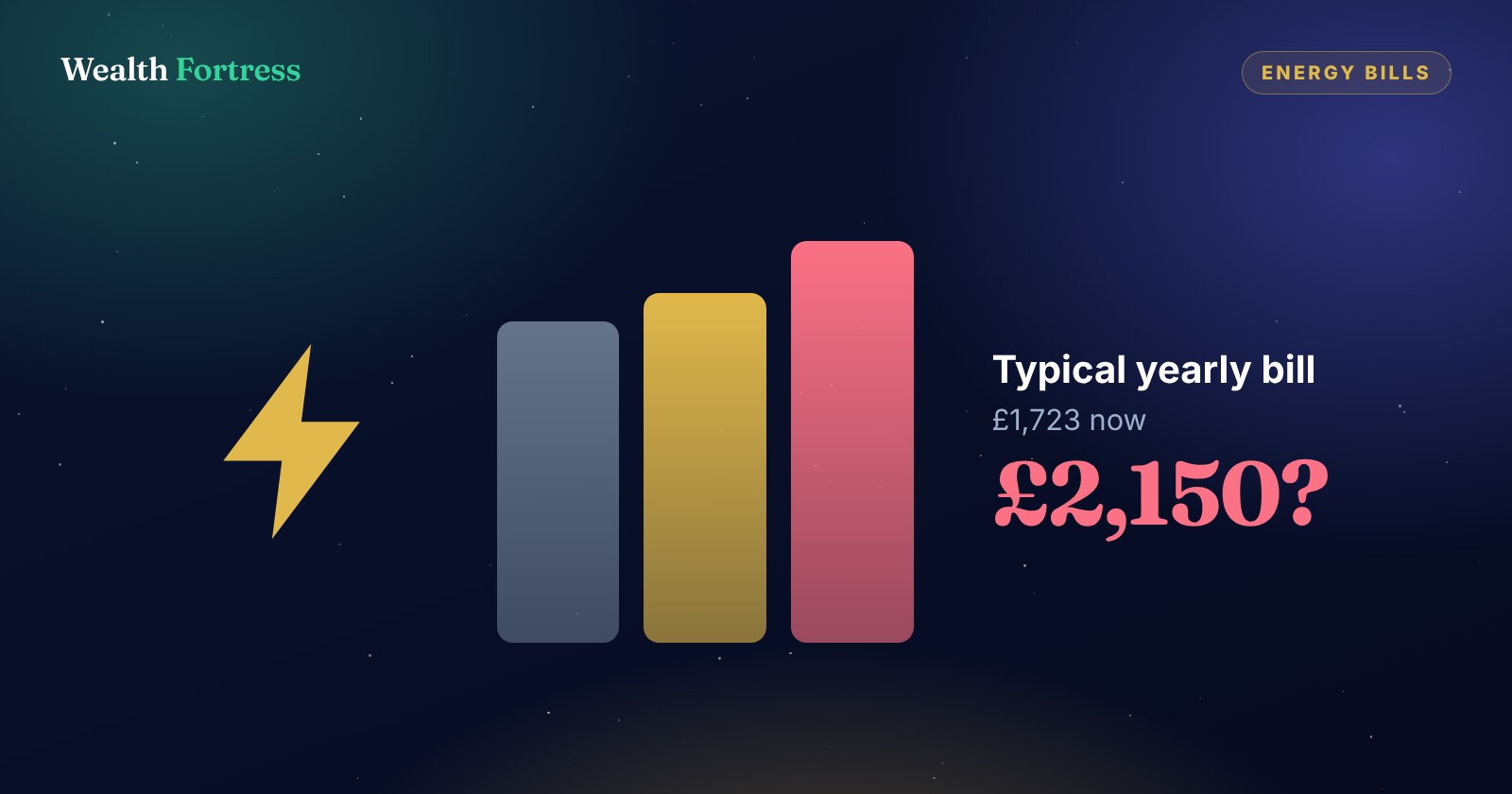
Now add the rise you are worried about. For example, if you pay £150 a month for energy and the price cap rises by 25%, that adds about £37 a month. Subtract that from what is left. If the number gets very small, or negative, you know exactly how much you need to find. Our free Energy Bill Calculator does this step for you, using the main forecasts for the January 2027 cap.
4Decide where the money comes from
This is the step most people skip. Rather than letting a rise quietly eat into your savings, decide in advance which pot takes the hit. You might trim spending money, slow a goal by a few months, or reduce what goes into savings for a while. The point is that it is a decision, not an accident.
A split of your money makes this easy. If you give each pound a job, for example essentials, buffer, goals and spending, then a rise in essentials shows up straight away as a smaller number somewhere else. Our free Golden Percentages tool builds a personal starting split in about two minutes, with no signup.
Keep it visible
A plan that only lives in your head is easy to drift away from. MoneyMap routes each payment through your own rules, so you can see where every pound goes as soon as you are paid. You can try it with sample numbers in our free MoneyMap demo, with nothing saved and no signup.
If you are self-employed or paid irregularly
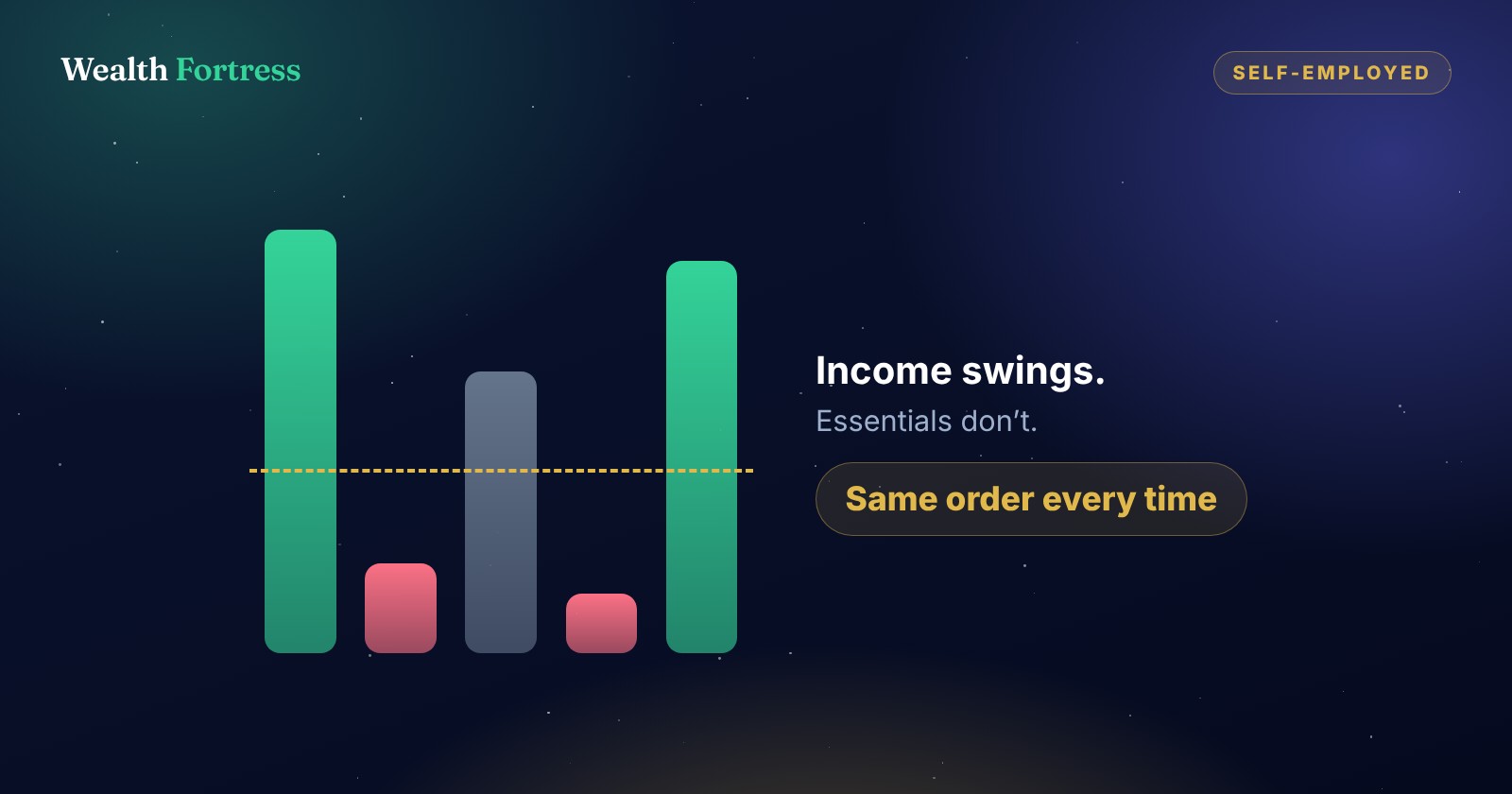
The same four steps work, but base them on your lowest typical month rather than your average. Our posts on budgeting with an irregular income and how much to set aside for tax cover that in more detail.
See the rise on your own bill
Put in your monthly bill, pick a forecast, and see the extra cost a month and a year. No signup.
Open the Energy Bill Calculator